Coaching Depot Danapur, East Central Railway
- Coaching Depot Danapur, East Central Railway
- Chapter 1: The Beginning of a Green Journey
- Chapter 2: Understanding the Need for Green Transformation
- Chapter 3: Building Employee Awareness and Participation
- Chapter 4: Energy Conservation and Operational Discipline
- Chapter 5: Water Management, Waste Reduction and Workplace Cleanliness
- Chapter 6: Strengthening Green Practices and Workplace Culture
- Chapter 7: Management, Monitoring and Continual Improvement
- Chapter 8: Organizational Impact and the Broader Meaning of Green Management
- Chapter 9: Sustaining the Green Journey Through 2025
- Chapter 10: A Legacy of Responsible Railway Operations
- Take the Next Step Today
Chapter 1: The Beginning of a Green Journey
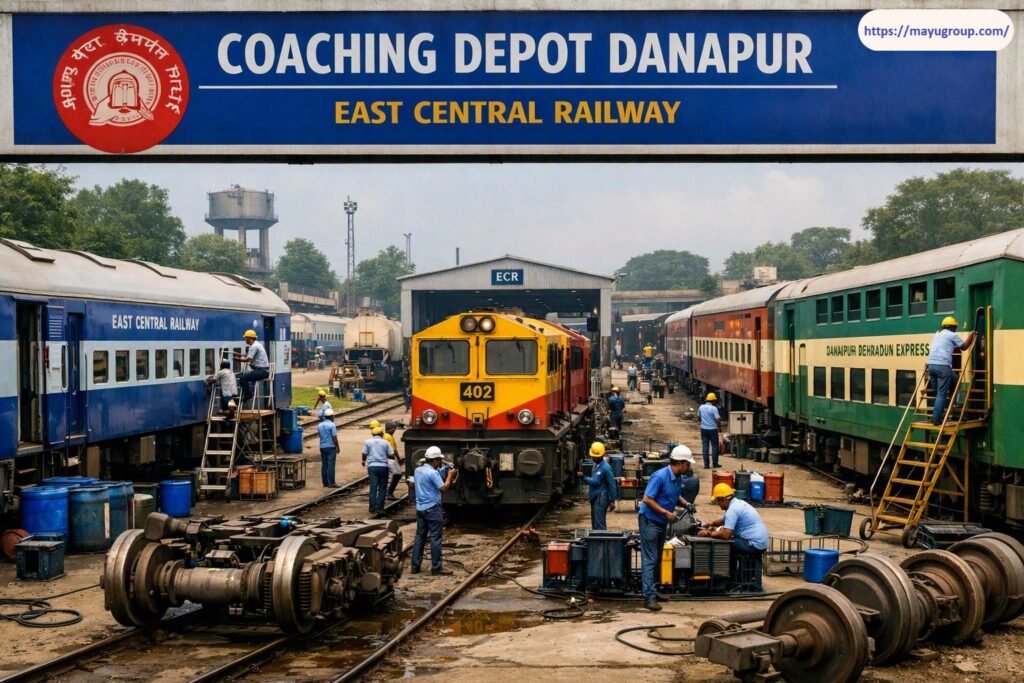
Coaching Depot Danapur, East Central Railway, represents an important part of the railway operational environment associated with Danapur Division in Patna, Bihar. Located at Danapur Division, Patna–801105, the depot functions within a system where railway coaches and supporting activities require organized maintenance, inspection, servicing, cleaning, workforce coordination and disciplined resource management. In such an environment, operational efficiency and responsible use of resources can go hand in hand.
The journey of Coaching Depot Danapur toward the Green Company (Green Co.) Rating System marked an important stage in the organization’s continuing emphasis on responsible workplace practices. The recognition associated with GGBC – Green Global Building Council was issued in 2022 and carried validity through 2025. Rather than representing only a certificate on the wall, the green-rating journey can be understood as an opportunity to bring greater structure and awareness to environmental practices within the workplace.
A railway coaching depot is a complex working environment. Numerous activities take place every day, and these activities can involve the use of electricity, water, materials and other resources. Maintaining such an establishment also generates different forms of waste that need appropriate handling. Because of this, environmental management is closely connected with workplace discipline and operational responsibility.
The Green Company concept provided a framework through which these areas could be considered together. Energy conservation, water management, waste management, material utilization, workplace cleanliness and employee awareness are not independent subjects. They influence one another and collectively contribute to the environmental performance of an organization.
The beginning of the green journey therefore required a change in perspective. Employees and management could look beyond individual activities and consider how routine workplace decisions affect overall resource consumption. A light left unnecessarily switched on, avoidable water wastage, improper handling of waste or inefficient use of materials may appear insignificant when considered individually. However, repeated practices across a large workplace can become meaningful areas for improvement.
This understanding is particularly relevant in a railway environment, where operational continuity is essential. Environmental improvements must be practical and should support the orderly functioning of the workplace. The purpose is not simply to reduce consumption but to encourage responsible consumption while maintaining required operational standards.
The Green Co. recognition provided a formal milestone for Coaching Depot Danapur. The year 2022 became significant because it represented the point at which the depot’s green-management efforts received formal recognition under the stated rating system. The validity through 2025 provided an extended period during which the principles associated with the recognition could be maintained and strengthened.
One of the most important aspects of such a journey is employee participation. Environmental management cannot be effective if it remains limited to senior management or a particular administrative function. The people working directly with equipment, workspaces, materials and daily operations have an important role in identifying wastage and suggesting practical improvements.
Awareness can begin with simple actions. Employees can be encouraged to switch off electrical equipment when it is not required, use water carefully, maintain clean work areas, segregate waste where appropriate and report issues that could result in unnecessary resource consumption. These actions may appear small, but their repetition can gradually create a culture of responsible resource management.
The green journey can also encourage a stronger relationship between housekeeping and environmental responsibility. A clean workplace is not only visually organized; it can also support better identification of waste, easier movement of materials and improved workplace discipline. Similarly, proper maintenance of equipment can help organizations avoid inefficient operation and unnecessary consumption.
For management, the Green Co. approach creates an opportunity to look at environmental performance as part of continual improvement. Instead of considering green practices as a one-time project, the organization can review existing practices, identify areas requiring attention, implement improvements and monitor their effectiveness.
This philosophy is important because certification or rating should not be viewed as the end of a journey. The recognition issued in 2022 was a milestone, while the years that followed provided an opportunity to sustain the underlying practices. Through 2025, the green-management approach could continue to encourage awareness, discipline and responsible resource utilization.
The story of Coaching Depot Danapur’s green journey is therefore not simply the story of obtaining a formal recognition. It is a story about developing an organizational mindset in which environmental responsibility becomes connected with everyday work. The depot’s operational responsibilities and its environmental objectives can be viewed as complementary rather than competing priorities.
The Green Co. recognition associated with GGBC – Green Global Building Council provided an important platform for this transformation. It brought attention to the importance of resource conservation, environmental awareness and systematic workplace practices.
As the journey progressed, the focus could move from awareness to implementation, from implementation to monitoring, and from monitoring to continual improvement. Employees could become increasingly familiar with the principles of green management, while management could use structured review to identify further opportunities.
Ultimately, the first chapter of Coaching Depot Danapur’s green story is about beginning with awareness. It is about recognizing that every workplace has an environmental footprint and that responsible management begins when people consciously examine how resources are used.
The 2022 recognition became a landmark in this process. It represented an important step toward a more structured approach to environmental responsibility and created a foundation for the subsequent chapters of the depot’s journey. Through employee participation, management commitment and consistent attention to improvement, the principles of green management could become part of the organization’s continuing workplace culture.
In this way, Coaching Depot Danapur’s Green Co. journey can be seen as a broader story of responsible railway operations—one where efficiency, discipline, environmental awareness and continual improvement come together to support a more sustainable workplace.
#CoachingDepotDanapur
Chapter 2: Understanding the Need for Green Transformation
The journey of Coaching Depot Danapur, East Central Railway, toward a more structured green-management approach did not begin with a certificate alone. It began with an understanding that modern railway operations must consider not only safety, reliability and efficiency, but also responsible management of natural resources. The Green Company (Green Co.) Rating System recognition associated with GGBC – Green Global Building Council, issued in 2022 and valid through 2025, provided a framework for strengthening this approach.
Coaching Depot Danapur is situated within Danapur Division, Patna–801105, and functions in the wider environment of railway coaching operations. Such an establishment involves numerous interconnected activities. Maintenance-related work, inspection, cleaning, administration, material handling and supporting services require people, equipment, energy, water and other resources. Every operational activity therefore has the potential to influence resource consumption and environmental performance.
The need for green transformation becomes clearer when these activities are considered collectively. A single electrical appliance may consume only a limited amount of energy, and a small amount of water may appear insignificant. However, when similar activities are repeated throughout a workplace every day, resource consumption can become substantial. Green management encourages organizations to recognize these patterns and identify practical opportunities for improvement.
For Coaching Depot Danapur, the Green Co. journey offered an opportunity to examine workplace practices from an environmental perspective. Instead of treating energy, water, waste and housekeeping as separate subjects, they could be considered parts of one integrated approach.
Energy management was one important area of attention. Railway establishments depend on electricity for a range of activities, and responsible energy use requires awareness at every level. Employees can contribute through simple practices such as avoiding unnecessary use of lighting and electrical equipment and reporting equipment-related issues. Management can support this culture through monitoring, awareness and appropriate operational controls.
Water management was another important consideration. Water is essential for many railway-related activities, particularly cleaning and housekeeping. Responsible water use involves preventing avoidable wastage, paying attention to leakage and encouraging employees to use water only as required. Such practices can become part of a broader culture of resource conservation.
Waste management also has an important place in green transformation. A working depot can generate different categories of waste through its activities. Proper identification, segregation and responsible disposal can help reduce environmental impact and improve workplace organization. Employees need to understand that waste management is not simply a housekeeping responsibility; it is a shared organizational responsibility.
The concept of material conservation adds another dimension. Materials used in workplace activities represent resources that have already required energy and effort to produce, transport and store. Careful handling, proper storage and avoidance of unnecessary wastage can therefore support both environmental responsibility and operational discipline.
Green transformation also depends heavily on employee awareness. A management system can establish procedures, but employees determine how effectively many workplace practices are followed. When workers understand the purpose behind environmental initiatives, they are more likely to participate actively.
Awareness can be developed through communication, training, workplace instructions and regular discussions. Employees can be encouraged to identify areas where resources may be wasted and to suggest practical solutions. This creates an environment in which green improvement becomes a collective activity rather than a top-down instruction.
Supervisors have an important role in this process. They are often positioned between management objectives and daily workplace activities. By reinforcing good practices, identifying deviations and encouraging employee suggestions, supervisors can help convert environmental objectives into routine behavior.
The Green Co. framework also encouraged the idea that environmental improvement should be systematic. Random improvements may provide temporary benefits, but sustained performance requires planning, implementation, monitoring and review.
For Coaching Depot Danapur, the recognition issued in 2022 could therefore be viewed as a milestone within a longer improvement cycle. The validity through 2025 provided a period during which the organization could continue strengthening awareness and maintaining the practices associated with green management.
Another important element was the connection between environmental responsibility and workplace discipline. A green workplace is often an organized workplace. Proper storage of materials, clean work areas, responsible waste handling and efficient use of equipment can contribute simultaneously to environmental objectives and operational order.
This connection helped broaden the understanding of what green transformation means. It is not limited to expensive technology or large infrastructure projects. Green transformation can also occur through better habits, improved processes and greater awareness.
For a railway organization, this perspective is particularly relevant. Railway operations are large-scale activities involving extensive infrastructure, equipment, manpower and resource consumption. Even incremental improvements, when maintained consistently, can contribute to a stronger culture of sustainability.
The Green Co. journey also created an opportunity to document and communicate environmental efforts. Formal recognition can provide employees with a visible reminder that their workplace values responsible resource management. It can also encourage management to continue reviewing performance rather than treating environmental practices as a temporary campaign.
The period following the 2022 recognition could therefore be understood as a phase of consolidation. The objective was to make green practices part of everyday working habits. Energy conservation, water efficiency, waste management, material utilization and cleanliness could become recurring subjects of workplace attention.
The transformation was ultimately about changing the question employees ask themselves during daily activities. Instead of simply asking whether a task can be completed, a green-management mindset encourages an additional question: can the task be completed while using resources responsibly and avoiding unnecessary waste?
That change in thinking is at the heart of organizational sustainability.
For Coaching Depot Danapur, the Green Co. recognition represented an opportunity to strengthen this mindset. It created a structured platform for environmental awareness while complementing the depot’s operational responsibilities.
As the journey moved forward, the emphasis could shift toward deeper employee participation, improved monitoring and continual improvement. The foundation had been established: environmental responsibility was no longer an isolated objective but part of a broader vision of disciplined and sustainable railway operations.
Thus, the second chapter of the Coaching Depot Danapur story is fundamentally about understanding why change was necessary. The Green Co. journey provided a framework, but its lasting value depended on how effectively that framework could be translated into everyday practices. By connecting people, processes, resources and environmental responsibility, the depot could build a stronger foundation for the chapters that followed.
#EastCentralRailway
Chapter 3: Building Employee Awareness and Participation
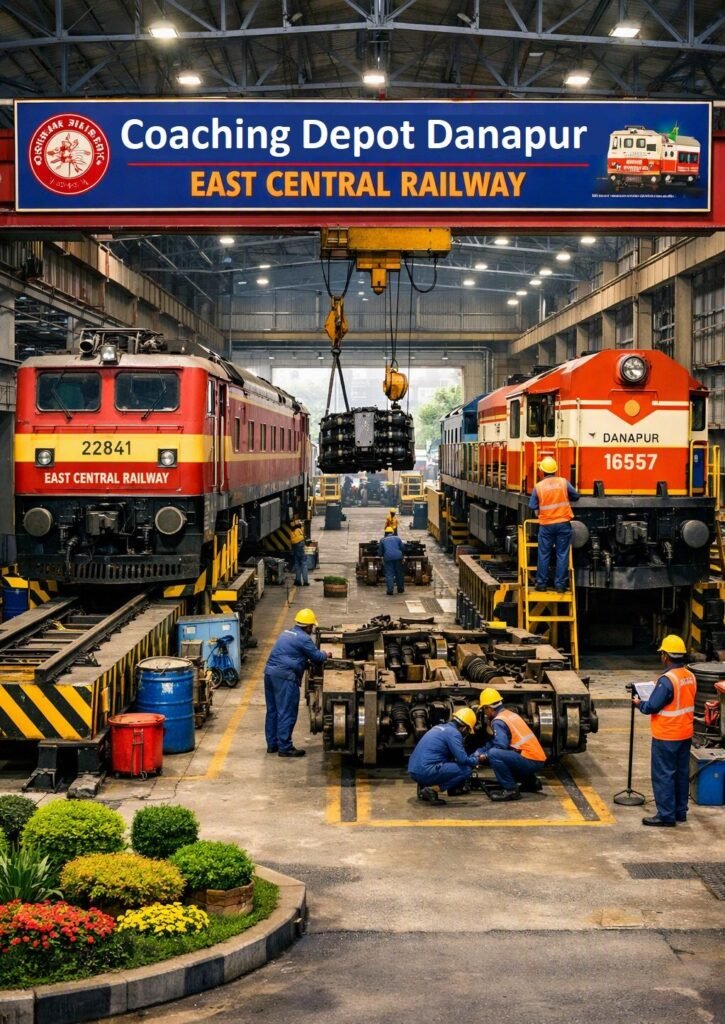
Every successful management initiative ultimately depends on people. Systems, procedures, certificates and assessment frameworks can provide structure, but it is the workforce that turns those principles into everyday practice. For Coaching Depot Danapur, East Central Railway, the journey toward the Green Company (Green Co.) Rating System therefore involved an important human dimension: developing awareness among employees and encouraging participation in environmentally responsible workplace practices.
The recognition associated with GGBC – Green Global Building Council, issued in 2022 and valid through 2025, provided a formal milestone for the depot’s green-management journey. However, the long-term value of such recognition depends on whether the principles behind it become part of organizational behavior.
Employee awareness begins with understanding. Workers need to know why environmental management matters and how their individual actions can contribute to larger organizational objectives. In a railway coaching environment, employees perform different duties and interact with different resources. Some work with equipment, some support maintenance activities, some are involved in cleaning and housekeeping, while others perform administrative or supervisory responsibilities. Each role can have an environmental dimension.
The first step, therefore, is to connect environmental objectives with everyday responsibilities.
For example, energy conservation can begin with simple workplace habits. Employees can be encouraged to switch off lights, fans and electrical equipment when they are not required, while also reporting equipment or electrical issues that may contribute to unnecessary consumption. Such practices do not require complicated technology. They require awareness and consistency.
Similarly, water conservation can become part of normal workplace behavior. Employees can be encouraged to avoid unnecessary water usage and report leaks or other conditions that may result in wastage. In cleaning and housekeeping activities, careful use of water can support the broader objective of responsible resource management.
Waste management also requires employee participation. Waste segregation and appropriate handling become effective only when people understand what should be separated and where it should be placed. When waste is managed systematically, the workplace can become cleaner and more organized while supporting responsible disposal and recovery practices where applicable.
The importance of awareness extends beyond instructions. Employees should understand the reason behind a practice. When a worker knows that saving electricity or preventing water wastage contributes to the organization’s environmental objectives, the action becomes more meaningful than simply following an order.
This is where communication becomes important.
Workplace communication can take many forms. Instructions, awareness notices, training sessions, discussions, meetings and visual reminders can reinforce green practices. Repetition is particularly valuable because sustainable behavior develops gradually. A single awareness session may introduce an idea, but regular reinforcement helps convert the idea into a habit.
Supervisors can play a major role in this process. They interact closely with employees and can observe how procedures are being followed. By encouraging good practices and identifying opportunities for improvement, supervisors can help bridge the gap between management objectives and operational activities.
Employee suggestions can also become an important source of improvement. Workers often have direct experience with workplace processes and may notice inefficiencies that are not immediately visible to management. Creating opportunities for employees to share observations can therefore strengthen the green-management system.
Suppose an employee notices that lighting is regularly being used in an area where natural light is sufficient during certain periods. The observation may lead to a discussion about responsible energy use. Another employee may identify unnecessary water usage during a cleaning activity. A housekeeping worker may suggest a better approach to waste segregation. These small observations can collectively support continual improvement.
The Green Co. philosophy encourages this type of thinking. Environmental responsibility is not restricted to management. It becomes a shared objective.
Employee participation can also improve the sense of ownership. When people are invited to contribute ideas, they are more likely to view green practices as part of their workplace rather than as an external requirement imposed upon them.
This cultural change is important for maintaining improvements over time. A certification or rating has a defined period, but employee habits can continue beyond that period if they become embedded in workplace culture.
The 2022 recognition therefore provided Coaching Depot Danapur with an opportunity to strengthen environmental awareness during the validity period through 2025. Employees could become increasingly familiar with the principles of resource conservation, waste management, cleanliness and responsible material use.
Another important aspect of awareness is the connection between environmental practices and workplace discipline. A clean and organized workplace can make it easier to identify waste, prevent unnecessary accumulation of materials and maintain appropriate working conditions. Proper storage can reduce material damage and help avoid unnecessary replacement or wastage. Responsible equipment use can support both operational efficiency and resource conservation.
These connections demonstrate that green management does not exist separately from normal railway work. Instead, it can complement existing expectations of discipline and organized operations.
Leadership also has a significant role. Management commitment can provide direction and resources, but visible participation by supervisors and responsible personnel can demonstrate that green practices are valued throughout the organization. When leaders consistently follow and reinforce environmental practices, employees receive a clear message about their importance.
Over time, the combination of communication, participation and leadership can create a stronger environmental culture.
For Coaching Depot Danapur, this cultural development formed an important part of the broader green journey. The objective was not simply to tell employees what to do, but to help them understand why responsible resource management matters and how their individual actions contribute to organizational performance.
The journey also reinforced the concept of continual improvement. Employees could be encouraged to identify problems, propose solutions and learn from implemented changes. This creates a cycle in which awareness leads to action, action leads to observation, observation leads to improvement, and improvement strengthens awareness.
The Green Co. recognition issued in 2022 can therefore be viewed as a catalyst for this process. It provided a formal context within which employee participation could become an important part of environmental management.
By 2025, the value of the journey was not limited to the documented recognition. Its deeper significance lay in the workplace habits and awareness developed during the period.
Ultimately, the green transformation of Coaching Depot Danapur depended on collective responsibility. Every employee could contribute through careful use of resources, proper waste handling, workplace cleanliness and attention to avoidable wastage. Management could provide direction, supervisors could reinforce practices, and employees could contribute practical ideas.
Together, these efforts could transform green management from a formal requirement into a living workplace culture.
The green journey was not simply about systems or assessment; it was about people learning to see everyday railway operations through the additional lens of environmental responsibility. That awareness provided a strong foundation for the next stages of the organization’s journey toward more systematic energy conservation, resource efficiency and continual improvement.
#GreenCompany
Chapter 4: Energy Conservation and Operational Discipline
As Coaching Depot Danapur, East Central Railway, continued its journey under the Green Company (Green Co.) Rating System, energy conservation emerged as an important part of the broader environmental-management philosophy. The Green Co. recognition associated with GGBC – Green Global Building Council, issued in 2022 and valid through 2025, provided a structured opportunity to strengthen awareness about responsible resource utilization and connect environmental objectives with everyday operational discipline.
Energy is an essential resource in any modern railway establishment. A coaching depot requires electricity for various workplace activities, including lighting, office functions, equipment operation and supporting services. Because energy is integrated into daily operations, its responsible use depends not only on technology but also on employee behavior, equipment maintenance and management practices.
The first step toward energy conservation is awareness. Employees need to understand that energy efficiency does not necessarily mean reducing essential activities. Instead, it means using energy when it is required and avoiding unnecessary consumption. This distinction is important in a railway environment, where operational requirements must always remain a priority.
Simple workplace habits can contribute to this objective. Lights can be switched off when areas are unoccupied, electrical equipment can be shut down when it is no longer required, and employees can remain alert to situations where energy is being consumed without a practical purpose. Such actions may seem small individually, but consistent implementation across a workplace can support a culture of responsible energy use.
Operational discipline provides the foundation for these practices.
When employees follow defined procedures, equipment is used appropriately and workplace activities are organized, opportunities for unnecessary consumption can be reduced. Proper scheduling and responsible operation can also support efficient use of equipment. The objective is not simply to reduce electricity consumption but to ensure that resources are used thoughtfully while maintaining required work standards.
Equipment maintenance is another important part of energy management. Properly maintained equipment can support reliable operation and reduce the possibility of inefficient functioning. Maintenance personnel and supervisors can therefore contribute to environmental objectives by identifying abnormalities and ensuring that necessary attention is given to equipment.
This demonstrates the close relationship between operational reliability and environmental responsibility. A well-maintained workplace can support both objectives at the same time.
The Green Co. approach also encourages organizations to look beyond individual actions and consider systems. Energy consumption can be monitored, areas of unnecessary use can be identified, and improvement opportunities can be discussed during management reviews. This creates a cycle of observation and improvement.
For Coaching Depot Danapur, the certification journey could therefore encourage employees and management to ask practical questions. Are electrical resources being used only when necessary? Are equipment-related problems being reported promptly? Are employees aware of energy-saving practices? Can workplace routines be organized more efficiently without affecting essential operations?
These questions help turn energy conservation into a management activity rather than an occasional awareness campaign.
Lighting is one area where employee awareness can be particularly relevant. In suitable conditions, unnecessary lighting can be avoided, while required work areas must continue to receive appropriate illumination. The objective is to balance energy conservation with safe and effective working conditions.
Similarly, fans and other electrical equipment can be managed according to actual workplace requirements. Employees can be encouraged to avoid leaving equipment running unnecessarily, especially in spaces that are temporarily unoccupied.
Administrative areas can also participate in the same culture. Computers, printers and other office equipment can be used responsibly, with unnecessary operation avoided where practical. These actions extend the green-management philosophy beyond technical areas and into the entire workplace.
The concept of energy conservation also supports financial awareness. Efficient resource utilization can help organizations avoid unnecessary operating costs, although the primary purpose of green management remains responsible resource use and environmental performance.
Another important factor is communication. Employees may not always recognize that a small action contributes to a larger objective. Regular reminders, awareness programs and management communication can keep energy conservation visible.
Supervisors can reinforce the message through routine workplace interactions. If an unnecessary energy-use practice is observed, it can be corrected constructively. Positive examples can also be shared so that employees understand what responsible behavior looks like in practical situations.
The Green Co. recognition provided an additional reason to maintain such attention. Once an organization receives formal recognition for green practices, maintaining the associated culture becomes important. The validity period from 2022 to 2025 could therefore be viewed as an opportunity to consolidate practices rather than treating the recognition as a one-time achievement.
Operational discipline also extends to material use. Although energy conservation is the central focus of this chapter, responsible handling of materials can indirectly support environmental objectives. Avoiding damage, unnecessary replacement and wastage reduces the resources associated with producing and transporting replacement materials.
This broader perspective helps employees understand that green management is interconnected. Energy, water, materials, waste and housekeeping are different aspects of the same objective: responsible use of resources.
For Coaching Depot Danapur, this approach could gradually strengthen a workplace culture in which efficiency becomes part of normal professional behavior. Employees do not have to think of sustainability as an additional task. Instead, responsible resource use becomes part of how routine tasks are performed.
The management’s role remains equally important. Leadership can establish expectations, encourage awareness and review performance. Where opportunities for improvement are identified, appropriate actions can be considered. Continual review ensures that environmental management remains active rather than becoming a static set of procedures.
The story of energy conservation at Coaching Depot Danapur is therefore also a story of discipline. Saving energy is not simply about switching off a light. It represents a broader attitude toward resources: use what is required, maintain what is used, avoid unnecessary consumption and continuously look for practical improvements.
The 2022 Green Co. recognition provided a formal milestone for this philosophy. Through 2025, the depot had an opportunity to continue building awareness and strengthening resource-conscious practices.
Ultimately, energy conservation becomes effective when it is supported by people, processes and management. Technology can assist, but lasting improvement depends on behavior and discipline.
For Coaching Depot Danapur, the green journey demonstrated that environmental responsibility can be integrated into everyday railway operations. By connecting energy awareness with operational discipline, equipment care, employee participation and continual review, the depot could strengthen the foundation established through its Green Co. recognition.
This chapter therefore marks an important stage in the broader story: the transition from understanding the need for green transformation to applying that understanding through practical, disciplined and resource-conscious workplace behavior.
#GreenCoRating
Chapter 5: Water Management, Waste Reduction and Workplace Cleanliness
The green transformation of Coaching Depot Danapur, East Central Railway, was not limited to energy conservation. Another important dimension of responsible workplace management was the careful use of water, proper handling of waste and maintenance of cleanliness. These areas are closely connected with the daily functioning of a railway coaching environment and therefore require consistent attention from management, supervisors and employees.
The Green Company (Green Co.) Rating System recognition associated with GGBC – Green Global Building Council, issued in 2022 and valid through 2025, provided an opportunity to view these everyday activities through a structured environmental-management perspective. Water, materials and waste are essential parts of workplace operations, and responsible management can contribute to a more organized and environmentally conscious workplace.
Water is a particularly important resource. Railway coaching-related activities can involve water for cleaning and other operational requirements. Because water is essential, conservation does not mean eliminating its use. Instead, it means using water carefully, avoiding unnecessary wastage and maintaining awareness of conditions that could result in avoidable consumption.
Employee behavior plays an important role in this process. Workers can be encouraged to use water only as required and to report leaking taps, pipes or other visible problems. Prompt attention to leakage can prevent unnecessary loss and reinforce the idea that every resource should be treated responsibly.
Cleaning activities also provide an opportunity for better water management. Where appropriate, employees can consider whether water is being used efficiently for the task at hand. The objective is not to compromise cleanliness but to achieve the required level of cleanliness without unnecessary consumption.
This principle is important because cleanliness itself is an essential part of a railway workplace. A depot must maintain an environment that supports organized operations and appropriate workplace conditions. Green management therefore seeks to connect cleanliness with efficient resource use rather than treating them as competing objectives.
Waste management represents another major aspect of the journey.
A working establishment can generate different categories of waste through maintenance, cleaning, office activities and other processes. Appropriate handling of waste is important because poorly managed waste can affect workplace organization and create environmental concerns.
Segregation is an important starting point wherever appropriate systems are established. Different waste streams can require different methods of handling, recovery or disposal. Employees need awareness about how waste should be placed and managed so that the system operates consistently.
The success of waste management depends heavily on participation. Even a well-designed waste-management procedure will be less effective if employees do not follow it. Awareness therefore becomes essential.
Employees can be encouraged to avoid unnecessary generation of waste in the first place. Materials should be used carefully, stored appropriately and protected from avoidable damage. Where materials can be reused or recovered through established procedures, responsible handling can support resource conservation.
This approach introduces the idea that waste management begins before something becomes waste. If unnecessary consumption and damage are reduced, the quantity of waste requiring disposal can also be reduced.
Workplace cleanliness provides a visible expression of this philosophy.
A clean and organized workplace can make it easier to identify waste, locate materials and recognize abnormal conditions. Proper housekeeping can also support workplace discipline and help employees maintain a more systematic approach to their duties.
For Coaching Depot Danapur, cleanliness could therefore be considered part of environmental management rather than merely an aesthetic requirement.
Regular housekeeping practices can help prevent accumulation of unwanted materials. Clearly designated areas, appropriate storage and systematic disposal can make the workplace easier to manage. Employees can also be encouraged to maintain cleanliness throughout the day rather than relying only on periodic cleaning activities.
Supervisors can support this process through regular observation. If waste is found in an inappropriate location or materials are stored improperly, corrective action can be taken. Such actions reinforce the idea that environmental standards are part of everyday workplace discipline.
Another important element is the relationship between waste management and employee awareness. Workers need to understand why segregation and proper disposal matter. When the purpose is explained, compliance becomes more meaningful.
Training and communication can therefore support the green-management system. Awareness sessions can explain responsible use of water, waste segregation, housekeeping expectations and material conservation. Visual reminders can reinforce the same messages in relevant workplace areas.
Management can further support the process by reviewing recurring problems. If the same type of waste-management issue occurs repeatedly, the underlying reason can be investigated. Perhaps employees need additional awareness, a waste collection point needs better identification, or the existing procedure needs clarification.
This is where the principle of continual improvement becomes important.
Green management is not about achieving perfect performance on a single day. It is about identifying opportunities, taking action and reviewing whether the action is effective. Over time, repeated improvement can strengthen the overall environmental culture.
The 2022 Green Co. recognition gave Coaching Depot Danapur an important reference point for this process. Through the validity period ending in 2025, the organization had an opportunity to maintain attention toward water conservation, waste management and workplace cleanliness.
The value of these practices also extends beyond environmental considerations. Organized waste handling can improve housekeeping. Proper material storage can reduce damage. Responsible water use can encourage greater resource awareness. Clean work areas can support a more disciplined working environment.
These connections demonstrate why green management should be viewed as an integrated system.
Water, waste and cleanliness may initially appear to be separate subjects, but together they reflect how an organization manages its physical resources and workplace environment. When employees develop habits of careful consumption, proper disposal and consistent housekeeping, the organization becomes more resource-conscious.
For Coaching Depot Danapur, this was an important part of its broader green journey. The objective was not simply to introduce new instructions but to encourage a change in everyday behavior.
The most meaningful improvement occurs when an employee automatically notices a leaking tap, unnecessary water usage, improperly placed waste or an untidy area and takes appropriate action. Such behavior demonstrates that environmental responsibility has become part of workplace culture.
The Green Co. journey provided an opportunity to build this culture systematically. Management could provide direction, supervisors could monitor implementation, and employees could contribute through daily actions and suggestions.
By connecting water conservation, waste reduction and cleanliness with operational discipline, Coaching Depot Danapur could strengthen the environmental practices associated with its recognition.
The journey from 2022 to 2025 was therefore not merely about maintaining a formal status. It represented an opportunity to embed responsible resource management into everyday railway operations.
Ultimately, the story of water and waste management is a story of respect for resources. Every litre of water saved from unnecessary wastage, every piece of waste handled appropriately and every clean, organized work area contributes to a larger culture of responsibility.
For Coaching Depot Danapur, these practices formed another important chapter in the continuing journey toward environmentally conscious and disciplined railway operations.
#GGBC
Chapter 6: Strengthening Green Practices and Workplace Culture
The journey of Coaching Depot Danapur, East Central Railway, toward stronger environmental responsibility gradually moved beyond individual activities such as energy conservation, water management and waste handling. The deeper objective was to create a workplace culture in which green practices became part of normal working behavior. The Green Company (Green Co.) Rating System recognition associated with GGBC – Green Global Building Council, issued in 2022 and valid through 2025, provided an important framework for supporting this transformation.
A green workplace is ultimately created by people. Procedures can define expectations, but employees determine how those expectations are translated into everyday activities. For Coaching Depot Danapur, strengthening green practices therefore meant developing a shared understanding that environmental responsibility belongs to everyone.
The concept of workplace culture is important because temporary campaigns rarely create lasting change. Employees may participate enthusiastically during a special awareness drive, but sustainable improvement requires practices to continue after the campaign ends. The Green Co. journey created an opportunity to make environmental awareness part of routine workplace discipline.
This process could begin with simple habits. Employees can become accustomed to switching off unnecessary electrical equipment, using water carefully, handling waste appropriately, maintaining clean work areas and using materials responsibly. When these actions are repeated consistently, they become normal behavior rather than additional tasks.
Management communication plays an important role in establishing such habits. Leaders can communicate environmental objectives during meetings, awareness sessions and routine workplace interactions. The message becomes stronger when management demonstrates that green practices are taken seriously and are connected with organizational performance.
Supervisors are equally important. They work close to daily activities and can identify whether workplace practices are being followed. Their role is not limited to finding deviations. They can also encourage employees, recognize good practices and provide practical guidance when improvement is needed.
Employee involvement can make the culture stronger.
People working directly in operational areas often have valuable knowledge about how tasks are performed. They may notice unnecessary resource consumption, inefficient processes or opportunities to improve housekeeping. Encouraging employees to share such observations can provide management with practical ideas for improvement.
An employee suggestion may be simple: a frequently used area may need a better waste-collection arrangement; a workplace instruction may need clearer wording; a storage location may require improved organization; or a recurring energy-use issue may require additional awareness.
Individually, these suggestions may appear small. Collectively, however, they can strengthen the environmental-management system.
This participatory approach also creates ownership. When employees see their ideas being considered and implemented where appropriate, they can develop a stronger connection with organizational objectives. Green management then becomes something employees contribute to rather than something imposed upon them.
Another important element of workplace culture is visual awareness. Appropriate signs, notices and instructions can remind employees about energy conservation, water use, waste segregation and cleanliness. Visual communication is especially useful because it reinforces the message during the actual work activity.
The effectiveness of such communication depends on clarity. Instructions should be practical and easy to understand. Employees should know what action is expected and why it matters.
Green culture also connects with workplace organization.
When materials are stored properly, waste is removed systematically and workspaces are maintained clean, employees can operate in a more organized environment. Such organization can support resource conservation by reducing damage, unnecessary movement and avoidable wastage.
The relationship between housekeeping and sustainability is therefore significant. Cleanliness is not simply about appearance. It reflects discipline, awareness and control over the physical workplace.
The same principle applies to equipment. Responsible operation and regular attention to maintenance can support efficient use. Employees who understand the environmental implications of equipment use may become more attentive to abnormal conditions and report them appropriately.
The Green Co. framework encourages this broader perspective. Environmental performance is influenced by numerous interconnected practices rather than one isolated activity.
For Coaching Depot Danapur, the period from 2022 through 2025 provided an opportunity to strengthen these connections. The formal recognition could serve as a reminder that green practices needed continued attention.
Continual improvement became an important part of this process.
Workplace conditions change over time. Equipment changes, employee responsibilities evolve and new operating challenges emerge. A green-management culture therefore needs flexibility. Organizations should continue observing their activities and identifying areas where practices can be improved.
This does not mean changing everything continuously. It means being willing to review established practices and make sensible improvements where evidence or experience indicates a need.
Employee training can support this process. New employees need to become familiar with workplace expectations, while existing employees can benefit from periodic awareness activities. Refresher communication can help prevent good practices from gradually becoming less consistent.
Recognition can also support motivation. When employees understand that their workplace has achieved formal recognition for green practices, they may feel a greater sense of responsibility for maintaining those standards. The recognition becomes a shared organizational achievement rather than merely an administrative document.
However, the real measure of success remains daily practice.
A certificate may have an issue date and validity period, but workplace culture is demonstrated every day. If employees conserve resources even when nobody is directly monitoring them, the green philosophy has become part of the culture.
This is why the Green Co. recognition issued in 2022 can be viewed as a milestone rather than an endpoint. Through 2025, Coaching Depot Danapur had the opportunity to reinforce the systems and behaviors associated with environmental responsibility.
The cultural transformation also has relevance beyond the depot itself. Railway organizations operate within a wider public infrastructure system. Responsible use of resources contributes to the broader objective of sustainable infrastructure and demonstrates how environmental thinking can be incorporated into large operational establishments.
For Coaching Depot Danapur, green management could therefore become part of a broader professional identity: disciplined work, responsible resource use, organized operations and continuous improvement.
The journey also illustrates an important principle of management. Sustainable change rarely occurs because of one instruction. It develops through repeated communication, leadership, employee participation, monitoring and reinforcement.
A worker who switches off an unused electrical appliance, a supervisor who notices unnecessary resource consumption, a housekeeping employee who maintains proper waste segregation and a manager who reviews environmental performance are all contributing to the same objective.
These individual actions create collective impact.
By strengthening employee participation and embedding green practices into everyday workplace culture, Coaching Depot Danapur could build on the foundation established through its Green Co. recognition.
Chapter 6 therefore represents the cultural stage of the journey. The focus moved from understanding environmental issues to making green behavior part of normal organizational life. Through awareness, leadership, participation, discipline and continual improvement, environmental responsibility could become a shared value.
The recognition associated with GGBC provided an important milestone, but the lasting achievement was the development of habits capable of continuing beyond the formal validity period.
For Coaching Depot Danapur, this meant that the green journey was not simply about achieving a rating. It was about creating a workplace in which responsible use of energy, water, materials and other resources became a natural part of railway operations.
#GreenRailway
Chapter 7: Management, Monitoring and Continual Improvement
The green journey of Coaching Depot Danapur, East Central Railway, entered a more mature phase when environmental practices became connected with management, monitoring and continual improvement. The Green Company (Green Co.) Rating System recognition associated with GGBC – Green Global Building Council, issued in 2022 and valid through 2025, provided an important framework for maintaining attention toward responsible resource management.
Achieving recognition is one stage of an organizational journey. Sustaining the principles behind that recognition requires regular observation, communication, review and improvement. For Coaching Depot Danapur, this meant looking at environmental practices not as isolated activities but as part of an ongoing management process.
Monitoring is important because organizations cannot improve what they do not observe. Energy consumption, water usage, waste-management practices, housekeeping and material utilization can all provide useful indicators of workplace performance. The purpose of monitoring is not simply to collect numbers or prepare records. It is to identify patterns and understand where practical improvements may be possible.
Management therefore has a central role.
Leadership can establish objectives, assign responsibilities and encourage employees to participate. When environmental performance is discussed alongside other workplace priorities, it becomes more integrated into normal management thinking.
For example, if recurring wastage is observed in a particular area, management can examine the reason. The problem may be related to employee awareness, equipment condition, process design, storage arrangements or communication. Once the underlying cause is understood, an appropriate corrective or improvement action can be considered.
This approach is more effective than simply correcting the visible problem repeatedly.
Supervisors provide an important link between management and daily operations. They can observe workplace conditions, communicate expectations and report recurring issues. Their regular involvement helps ensure that environmental practices remain active rather than becoming forgotten after an initial awareness program.
Employee participation remains equally important during the monitoring stage.
Workers who perform activities every day are often able to identify practical problems quickly. They may notice unnecessary water use, inefficient equipment operation, inappropriate waste disposal or material wastage. Providing a mechanism for reporting such observations can strengthen the improvement process.
An effective improvement culture does not treat employee observations as criticism. Instead, observations can be treated as opportunities to understand how the workplace is functioning.
This encourages a positive cycle: identify a concern, understand its cause, implement an appropriate action, observe the result and determine whether further improvement is required.
Such a cycle reflects the principle of continual improvement.
Continual improvement does not necessarily mean making large changes every time. In many cases, small improvements can be valuable when they are consistently maintained. A better waste-collection arrangement, clearer workplace instruction, improved storage method or stronger awareness of energy conservation may each contribute to overall performance.
The cumulative effect of such improvements can be significant.
Documentation can also support this process. Appropriate records can help management understand what actions have been taken and whether they have been maintained. Documentation provides continuity, especially when responsibilities change or new employees join the organization.
However, records should support management rather than become an objective in themselves. The purpose of documentation is to provide useful evidence and information for decision-making.
The Green Co. framework created a context in which these practices could be viewed systematically. Energy, water, waste, materials and employee awareness are interconnected. Monitoring one area can reveal opportunities in another.
For example, better housekeeping may reduce material wastage. Improved maintenance may support more efficient equipment operation. Better employee awareness may improve both energy conservation and waste segregation. These relationships demonstrate why environmental management benefits from an integrated approach.
Management review can help identify these connections.
During periodic reviews, responsible personnel can consider what is working effectively, where problems remain and what improvements should be prioritized. Employee suggestions can be considered alongside operational observations and available performance information.
The objective is not to create unnecessary complexity. A practical management system should help people make better decisions.
For Coaching Depot Danapur, the period from 2022 to 2025 represented an opportunity to maintain this discipline. The Green Co. recognition provided a reference point, while ongoing monitoring and improvement could help ensure that the recognition was supported by continuing workplace practices.
Another important element is accountability.
When responsibilities are clearly understood, employees know who should monitor particular activities, who should report problems and who should take action. Clear responsibility can prevent environmental issues from being ignored because everyone assumes that someone else will handle them.
At the same time, accountability should be balanced with teamwork. Environmental performance is a shared organizational objective. Different departments and workplace functions need to coordinate when an issue crosses functional boundaries.
Communication therefore becomes essential.
A monitoring system is only useful when its findings reach the people who can act on them. Supervisors and employees should be able to communicate observations, while management should provide appropriate feedback. This creates a two-way flow of information.
The green culture developed in earlier stages can become stronger through this process. Employees who know that their observations are reviewed are more likely to participate. Managers who receive practical feedback can make better-informed improvement decisions.
Training also remains relevant. Monitoring may reveal that employees need clarification about a procedure or that new workers are unfamiliar with environmental expectations. Refresher training can address these gaps and help maintain consistency.
The concept of continual improvement also prepares an organization for changing circumstances. New equipment, new technologies, revised operating practices or changing environmental expectations may create new opportunities. An organization with a strong improvement culture is better positioned to examine such opportunities systematically.
For Coaching Depot Danapur, the green journey therefore became more than a certification exercise. It represented an opportunity to establish a cycle of management attention that could continue beyond the formal recognition period.
The recognition issued in 2022 was a milestone, but the years leading to 2025 offered a period for consolidation and development. Monitoring could help maintain standards, while improvement activities could strengthen areas where additional attention was required.
This approach also reinforces the relationship between environmental responsibility and operational efficiency. When resources are used carefully, equipment is maintained appropriately, materials are handled responsibly and workplaces remain organized, the organization can benefit from stronger operational discipline.
The green-management philosophy thus becomes part of overall management rather than a separate environmental program.
For employees, this means understanding that their everyday actions contribute to organizational performance. For supervisors, it means observing and communicating. For management, it means reviewing performance and supporting improvement.
Together, these responsibilities create a continuous management cycle.
The story of Coaching Depot Danapur’s green transformation therefore entered an important stage through monitoring and continual improvement. Awareness had created understanding, green practices had influenced workplace behavior, and management systems could now help sustain those practices.
The most valuable lesson is that environmental performance is not a one-time achievement. It requires attention over time.
A Green Co. recognition can provide a framework and a milestone, but lasting progress depends on what happens after the recognition is achieved. Regular monitoring, employee participation, responsible leadership and practical improvement determine whether green principles become part of an organization’s long-term culture.
For Coaching Depot Danapur, the 2022–2025 period represented an opportunity to strengthen precisely this culture. By reviewing practices, learning from observations and implementing appropriate improvements, the depot could continue its journey toward responsible and resource-conscious railway operations.
Chapter 7 therefore represents the management phase of the story: moving from awareness and participation toward structured monitoring, accountability and continual improvement. It demonstrates that the true strength of a green workplace lies not only in what it achieves once, but in its ability to continue learning and improving over time.
#SustainableRailways
Chapter 8: Organizational Impact and the Broader Meaning of Green Management
The Green Co. journey of Coaching Depot Danapur, East Central Railway, gradually moved beyond individual environmental practices and began to represent a broader approach to organizational development. The recognition associated with GGBC – Green Global Building Council, issued in 2022 and valid through 2025, provided an important milestone in this journey. Its significance can be understood not only through environmental practices, but also through the way green management can influence workplace awareness, discipline, resource utilization and organizational culture.
For a railway coaching establishment, environmental management is closely connected with everyday operations. Energy, water, materials and other resources support workplace activities, while different forms of waste arise through routine operations. Managing these resources responsibly requires coordination among people, processes and management.
One of the important organizational effects of a structured green approach is increased awareness.
When employees begin to think about the environmental consequences of routine activities, they may become more attentive to resource consumption. An employee who previously viewed electricity, water or materials simply as operational necessities may begin to consider whether those resources are being used efficiently.
This change in awareness can influence behavior.
Energy conservation may encourage employees to avoid unnecessary electricity use. Water awareness can promote more careful consumption. Waste-management practices can encourage appropriate segregation and disposal. Better housekeeping can improve workplace organization.
Although each action is small, together they can create a stronger culture of responsibility.
Another important effect is improved workplace discipline. Green management often requires clear procedures, appropriate storage, systematic housekeeping and regular monitoring. These practices can reinforce organizational order.
A clean and organized workplace can make it easier to identify problems. Materials can be located more easily, unnecessary accumulation can be avoided, and abnormal conditions may become more visible. This demonstrates that environmental responsibility can complement operational discipline.
The green approach can also strengthen teamwork.
Environmental objectives cannot normally be achieved by one individual or one function. Different workplace activities are interconnected. A housekeeping issue may involve one team, while waste handling may involve another. Energy use may involve both technical personnel and general employees.
Coordination is therefore essential.
When employees understand that they share responsibility for environmental performance, communication can improve. People may become more willing to report problems, share observations and suggest practical improvements.
This participatory culture can have a positive effect on organizational learning.
Employees working directly with processes often have valuable practical knowledge. Their experience can reveal inefficiencies that may not be visible from a management office. Encouraging suggestions allows management to benefit from this knowledge.
The Green Co. framework also creates an opportunity to connect environmental responsibility with continual improvement. Instead of considering environmental practices fixed, the organization can periodically review them and identify areas for further development.
For example, a workplace may discover that a particular waste-management arrangement is inconvenient for employees. Rather than simply reminding workers to follow the existing system, management can examine whether the arrangement itself should be improved. Similarly, recurring energy-use problems may indicate a need for clearer procedures or additional awareness.
This problem-solving approach is an important aspect of mature management.
The impact of green practices can also extend to organizational reputation. Formal recognition can provide evidence that an organization has undertaken a structured approach toward environmental responsibility. For an establishment operating within a large public infrastructure system, such recognition can communicate a commitment to responsible workplace practices.
However, reputation should not be the only objective.
The most meaningful benefit comes from the actual practices behind the recognition. A certificate is a documented milestone, while environmental awareness and resource-conscious behavior represent ongoing organizational capabilities.
The period from 2022 to 2025 was therefore significant because it allowed Coaching Depot Danapur to maintain focus on the principles associated with its recognition.
Another important organizational dimension is employee motivation. People often respond positively when their workplace demonstrates that responsible practices are valued. Recognition can create a sense of collective achievement and encourage employees to protect the standards associated with it.
Management can reinforce this effect by acknowledging good practices and encouraging employees to continue contributing ideas.
Training remains an important supporting activity. New employees need to understand workplace expectations, while existing employees may require periodic reminders. As processes change, training can also help ensure that environmental practices remain relevant.
The broader meaning of green management is therefore connected to organizational learning. Employees learn to use resources responsibly, supervisors learn to identify opportunities for improvement, and management learns to evaluate performance systematically.
Over time, this can strengthen the organization’s ability to respond to changing environmental expectations.
For Coaching Depot Danapur, the green journey also demonstrated that sustainability does not necessarily require environmental activities to be separated from operational work. Instead, sustainability can be incorporated into existing workplace systems.
Energy conservation can be connected with equipment management.
Water conservation can be connected with cleaning practices.
Waste management can be connected with housekeeping.
Material conservation can be connected with storage and handling.
Employee awareness can be connected with training.
Monitoring can be connected with management review.
This integrated approach is one of the most important lessons of the Green Co. journey.
The organization’s growth after recognition should therefore not be understood only in terms of physical expansion or increased activity. In an institutional railway environment, growth can also mean improvement in systems, awareness and organizational maturity.
A workplace can grow by becoming more disciplined.
It can grow by becoming more resource-conscious.
It can grow by encouraging employees to participate in improvement.
It can grow by developing stronger monitoring practices.
It can grow by learning from problems rather than merely correcting them temporarily.
These forms of growth are less visible than construction or expansion, but they can be equally important for long-term organizational performance.
The Green Co. recognition issued in 2022 provided Coaching Depot Danapur with an opportunity to strengthen these dimensions through 2025. The recognition represented an external milestone, while the internal transformation depended on management commitment and employee participation.
The broader railway environment also makes this approach meaningful. Railway infrastructure serves large numbers of people and involves extensive physical operations. Responsible resource management within individual establishments can contribute to a wider culture of sustainable infrastructure management.
For employees at Coaching Depot Danapur, this broader perspective can create a stronger sense of purpose. Their daily actions are not isolated. They form part of a larger organizational system.
A simple action such as preventing unnecessary water wastage may appear small, but it reflects an attitude toward resource responsibility. Proper waste segregation may appear routine, but it demonstrates organizational discipline. Careful use of electricity may appear ordinary, but it reinforces environmental awareness.
When these actions become consistent across a workplace, culture begins to change.
This is the deeper organizational impact of green management.
The Coaching Depot Danapur story therefore demonstrates that a Green Co. recognition can provide more than formal documentation. It can create an opportunity to strengthen employee awareness, encourage teamwork, improve resource management and promote continual improvement.
The period from 2022 to 2025 represented a chapter in this development. The lasting value lies in the practices that can continue beyond the validity period.
Ultimately, organizational growth is not defined only by size. It is also defined by maturity, responsibility and the ability to improve.
For Coaching Depot Danapur, the green journey represented an opportunity to combine railway operational discipline with environmental consciousness. Through employee participation, management involvement and structured improvement, the depot could build a workplace culture in which sustainability became part of everyday responsibility.
Chapter 8 therefore marks the stage where individual green practices became part of a broader organizational story. The journey was no longer simply about saving energy, managing water or handling waste. It was about developing an organization that understands the value of resources, encourages responsible behavior and continually searches for practical ways to improve.
#EnvironmentalManagement
Chapter 9: Sustaining the Green Journey Through 2025
The Green Co. recognition associated with Coaching Depot Danapur, East Central Railway, represented an important milestone, but the real value of any environmental-management initiative depends on what happens after recognition. With the Green Company (Green Co.) Rating System recognition issued in 2022 and valid through 2025, the period following recognition provided an opportunity to sustain established practices, strengthen employee awareness and continue identifying areas for improvement.
The recognition associated with GGBC – Green Global Building Council could serve as a reference point for the organization’s environmental journey. It created a structured context for considering resource management, energy conservation, water efficiency, waste handling, material utilization, workplace cleanliness and employee participation.
Sustaining these practices requires consistency.
A workplace can successfully introduce a green initiative but gradually lose momentum if environmental objectives are not regularly communicated. For this reason, awareness needs to remain part of routine organizational activity.
Employees who were familiar with green practices could continue to reinforce them in everyday work. New employees could be introduced to workplace expectations, while existing employees could receive periodic reminders or refresher awareness. This helped maintain continuity.
One of the most important principles during the validity period was that environmental responsibility should not become dependent on a single individual. If green practices are understood only by one manager or one designated employee, they may become difficult to maintain when responsibilities change.
A stronger system distributes responsibility across the organization.
Management can provide direction and establish priorities. Supervisors can monitor implementation. Employees can follow procedures and identify opportunities for improvement. Housekeeping and support personnel can contribute through appropriate waste handling and cleanliness. Technical personnel can support responsible equipment operation and maintenance.
Together, these roles create continuity.
Energy conservation remained an important area of attention. Employees could continue to avoid unnecessary use of electrical equipment and remain alert to situations where energy might be wasted. Equipment condition could also receive appropriate attention, because responsible maintenance supports reliable operation.
Water management could similarly remain part of everyday workplace awareness. Avoiding unnecessary consumption and identifying visible leakage or wastage are simple practices that can support resource conservation.
Waste management required equal consistency. Segregation and appropriate disposal practices work effectively only when they are followed every day. Employees therefore needed to maintain awareness rather than treating waste management as an occasional campaign.
Workplace cleanliness also provided a visible measure of organizational discipline. Clean and organized areas can support better resource management and make abnormal conditions easier to notice.
The sustainability journey also benefited from employee suggestions.
As employees became more familiar with green objectives, they could identify practical opportunities that emerged from their daily experience. Suggestions might involve workplace organization, resource use, waste collection, storage arrangements or awareness communication.
Such suggestions could be reviewed by responsible personnel and, where appropriate, incorporated into improvement activities.
This process strengthened the idea of continual improvement. Instead of assuming that existing practices were already perfect, the organization could remain open to learning.
Monitoring played an important role in maintaining this momentum.
Regular observation could help determine whether established practices were being followed consistently. Where gaps were identified, corrective or improvement actions could be considered. Monitoring also provided an opportunity to recognize successful practices and share them with other employees.
The objective was not simply to find mistakes. Monitoring could become a learning mechanism.
For example, if waste was repeatedly found in an inappropriate location, the organization could investigate whether the issue resulted from employee awareness, insufficient collection arrangements or unclear instructions. Understanding the reason would make it easier to select an appropriate response.
This approach reflects a mature improvement culture.
The period from 2022 through 2025 also represented an opportunity to strengthen the connection between environmental management and operational discipline. Green practices were not separate from railway activities. They could be incorporated into existing workplace routines.
Responsible resource use could become part of professional behavior.
An employee completing a routine task could consider whether resources were being used appropriately. A supervisor reviewing an activity could consider whether unnecessary consumption was occurring. Management could consider environmental factors while reviewing workplace performance.
These small changes in thinking can have long-term significance.
Another important aspect of sustaining the green journey is documentation. Appropriate records can provide continuity and help demonstrate that practices are being maintained. Documentation can also support review by allowing responsible personnel to understand previous actions and identify areas requiring attention.
However, documentation is most useful when it supports actual improvement. The ultimate objective remains practical performance.
The Green Co. recognition therefore became part of a continuing management cycle: establish practices, create awareness, implement them, monitor performance, identify opportunities and improve.
The cycle can continue regardless of whether an organization is currently preparing for an assessment.
This is particularly important because the formal validity period eventually reaches its end. The expiry of a recognition does not have to mean the end of the environmental practices developed during the journey. If the practices have become part of organizational culture, they can continue independently.
For Coaching Depot Danapur, the 2025 validity point could therefore be viewed as a transition rather than an endpoint. The experience gained during the recognition period could provide a foundation for future environmental initiatives and further improvement.
The most important legacy would be employee awareness.
When employees understand why energy conservation matters, they can continue conserving energy even without constant reminders. When workers understand responsible waste management, they can continue appropriate practices as part of normal work. When water conservation becomes habitual, responsible use can continue naturally.
This is the difference between a temporary campaign and a sustainable workplace culture.
The green journey also reinforces the importance of leadership continuity. Future managers and supervisors can maintain established practices by ensuring that environmental objectives remain part of workplace communication and review.
The organization can also continue looking for new opportunities as technology and operating practices evolve.
A green-management system should not remain frozen. New equipment, improved processes and changing environmental expectations can create opportunities for further improvement.
For Coaching Depot Danapur, this philosophy creates a pathway beyond 2025. The recognition issued in 2022 documented an important stage, but the knowledge and awareness developed during the validity period can continue to influence future practices.
The journey also demonstrates that sustainability is not a destination. It is a continuing process.
There will always be opportunities to use resources more carefully, organize workplaces more effectively, strengthen awareness and improve processes. The role of management is to create an environment in which these opportunities can be identified and acted upon.
The story of Coaching Depot Danapur through 2025 is therefore a story of continuity.
The organization had an opportunity to move from achieving recognition to sustaining the principles behind it. Employees could maintain responsible habits, supervisors could continue monitoring, management could support improvement and the workplace could continue learning.
The Green Co. recognition provided the foundation, but the people of the organization provided the continuity.
Ultimately, the lasting impact of the 2022–2025 journey can be found not in the date printed on a certificate but in the habits developed during that period. Responsible energy use, careful water consumption, appropriate waste management, material conservation, cleanliness and employee participation can continue to support organizational performance long after a formal recognition period ends.
For Coaching Depot Danapur, this represents an important form of growth: the development of an environmental mindset within an operational railway workplace.
Chapter 9 therefore captures the transition from certification recognition to long-term sustainability. It demonstrates that the strongest green-management systems are those that continue to function because employees understand their purpose and management continues to support improvement.
The journey begun in 2022 and carried through 2025 can thus be understood as one chapter in a much longer story of responsible railway operations, organizational learning and continual environmental improvement.
#GreenWorkplace
Chapter 10: A Legacy of Responsible Railway Operations
The journey of Coaching Depot Danapur, East Central Railway, through the Green Company (Green Co.) Rating System represents a story of environmental awareness, employee participation, operational discipline and continual improvement. The recognition associated with GGBC – Green Global Building Council, issued in 2022 and valid through 2025, marked an important stage in the depot’s journey toward a more structured approach to responsible resource management.
The conclusion of this story is not simply about a certificate or a particular validity period. It is about the lessons that can remain within an organization after a formal recognition has been achieved.
Coaching Depot Danapur operates within the important railway environment of Danapur Division, Patna–801105. Railway coaching activities require coordinated people, processes, equipment and resources. Every day, employees contribute to activities that support the functioning of the railway system. Within such an environment, environmental responsibility becomes closely connected with operational responsibility.
The Green Co. journey created an opportunity to look at familiar activities from another perspective.
Electricity is not simply something required to operate equipment and illuminate workplaces; it is a resource that should be used responsibly.
Water is not simply required for cleaning and supporting activities; it is a valuable natural resource that should not be wasted.
Materials are not simply workplace supplies; they represent resources that should be handled carefully and used efficiently.
Waste is not merely something to remove from the workplace; it should be managed systematically and responsibly.
Cleanliness is not only about appearance; it reflects organization, discipline and awareness.
These changes in perspective are among the most important outcomes of a green-management journey.
The recognition issued in 2022 provided a formal milestone. But the achievement became meaningful through the practices associated with it. During the validity period through 2025, environmental awareness could be strengthened through employee participation, management involvement, workplace communication and monitoring.
Employees remained at the heart of this process.
A green system cannot succeed without people. Employees who conserve electricity, use water carefully, manage waste appropriately, maintain clean workplaces and report issues contribute directly to the environmental culture of the organization.
The contribution of each individual may appear small, but sustainability is built through repetition. One responsible action becomes meaningful when it is repeated every day by many people.
Supervisors also have an important role. They help translate management objectives into daily workplace practices. They can observe conditions, communicate expectations, encourage good practices and identify opportunities for improvement.
Management provides the broader direction.
Leadership can ensure that environmental responsibility remains connected with organizational priorities. It can encourage awareness, support appropriate monitoring and consider improvement opportunities identified by employees and supervisors.
This three-level participation—management, supervisors and employees—creates a strong foundation for continual improvement.
One of the most important lessons from the Green Co. journey is that improvement should not stop when recognition is achieved. A certification or rating can provide motivation and structure, but environmental performance must continue to be maintained through everyday practices.
The end of the validity period in 2025 therefore does not have to represent the end of the green journey. Instead, it can mark the completion of one phase and the beginning of another.
The experience gained during the recognition period can support future environmental initiatives. Employees may already understand the importance of energy conservation and waste management. Supervisors may be familiar with monitoring practices. Management may have greater awareness of the relationship between environmental responsibility and operational discipline.
These capabilities can provide a foundation for future development.
Another lasting benefit is organizational awareness.
When green practices become part of workplace culture, employees begin to recognize environmental issues without waiting for formal instructions. They may notice unnecessary consumption, poor housekeeping or improper waste handling and respond appropriately.
This is a sign that sustainability has moved from policy into behavior.
The broader significance of this transformation can also be understood in the context of railway infrastructure. Railways operate on a large scale and support millions of journeys and economic activities. Every railway establishment has a role in maintaining responsible infrastructure and efficient resource use.
A coaching depot may be one component of a much larger system, but the principles practiced within it remain valuable. Resource conservation, organized workplaces and environmental awareness can contribute to a broader culture of responsible railway management.
The Green Co. journey also demonstrates that environmental responsibility and operational efficiency can support one another.
Good housekeeping can improve organization.
Responsible material handling can reduce unnecessary wastage.
Appropriate equipment maintenance can support reliable operation.
Energy awareness can reduce avoidable consumption.
Water conservation can encourage resource discipline.
Employee participation can strengthen problem-solving.
Together, these practices contribute to organizational maturity.
Growth, therefore, should not be understood only as expansion in physical size or infrastructure. For an operational railway establishment, growth can also mean stronger systems, greater employee awareness and improved management practices.
The journey of Coaching Depot Danapur illustrates this form of growth.
The recognition provided an opportunity to formalize attention toward green practices. The workforce provided the human effort required to maintain them. Management provided direction and continuity. Monitoring and improvement helped connect individual actions with organizational objectives.
The result was a broader understanding of sustainability.
A green workplace is not created in one day. It develops gradually through awareness, implementation, observation and improvement. It requires people to care about how resources are used and management to create systems that support responsible behavior.
The story of Coaching Depot Danapur therefore reaches its conclusion with a message of continuity rather than finality.
The 2022 Green Co. recognition, valid through 2025, represents a documented milestone. The greater legacy lies in the environmental awareness and workplace discipline associated with the journey.
As the organization looks beyond the recognition period, the principles learned can continue to guide future practices. Energy conservation can remain a daily habit. Water management can remain part of workplace responsibility. Waste segregation and appropriate disposal can continue. Cleanliness can remain an important element of organizational discipline. Employee suggestions can continue to support improvement.
The journey can therefore continue through new goals and new opportunities.
The experience also reinforces an important management principle: sustainability is strongest when it becomes part of normal work. Employees should not have to think of every environmental action as a separate assignment. Responsible behavior becomes most effective when it is integrated into the way work is performed.
For Coaching Depot Danapur, this integration represents the deeper meaning of its green journey.
The story began with recognition and developed through awareness. It progressed through employee participation, energy conservation, water management, waste handling, workplace culture, monitoring and continual improvement. Each stage contributed to the next.
The final outcome is therefore not a single achievement but a management philosophy.
That philosophy can be summarized simply: use resources responsibly, maintain organized workplaces, involve employees, monitor performance and continue improving.
These principles can remain valuable regardless of changing technologies, processes or future certification cycles.
The journey of Coaching Depot Danapur, East Central Railway, thus becomes an example of how environmental responsibility can be incorporated into a demanding operational environment. The Green Co. recognition associated with GGBC provided a formal framework, but the lasting value comes from the people and practices that support it.
From 2022 to 2025, the recognition provided an important chapter. Beyond 2025, the lessons can become part of the next chapter.
The true legacy of a green workplace is not the certificate alone. It is the habit of responsibility that remains after the certificate’s validity period has ended.
For Coaching Depot Danapur, that legacy can be represented by a continuing commitment to resource awareness, workplace discipline, employee participation and continual improvement.
In this sense, the green journey does not end with Chapter 10. It becomes the foundation for future chapters—chapters in which responsible railway operations, environmental consciousness and organizational learning continue to move forward together.
#SustainableDevelopment
#GreenRailwayInfrastructure #RailwaySustainability #EcoFriendlyOperations #ResourceConservation #GreenManagementSystem
Take the Next Step Today
Don’t wait to enhance your business’s quality and efficiency. Partner with Mayu Group Global and experience the transformation that comes with expert consultancy and training. Contact us today to learn more about how we can help you achieve your business goals. Reach out via phone at
+91-9322728183, visit our website at www.mayugroup.com, or email us at investor@mayugroup.com Let us be your guide on the journey to excellence and innovation.